
Mold Inspector Certifications: Why They Matter When Choosing an Inspector
A Homeowner’s Field Guide to Finding the Right Mold Professional
When you hire a mold inspector, you are trusting someone to assess the health of your home, identify potential building issues, and guide decisions that may affect your family’s health and finances for years to come.

The problem? The mold inspection industry is largely unregulated in many states.
That means almost anyone can purchase a moisture meter, create a website, and call themselves a “mold inspector” — regardless of training, building science knowledge, or real-world experience.
For homeowners, this can make choosing the right professional incredibly confusing.
This guide is designed to help you understand what certifications actually mean, why they matter, and how to identify an inspector who has the training and experience necessary to properly evaluate your home.
Why Mold Inspections Require More Than Just “Testing”
A quality mold inspection is not simply about collecting samples.
In fact, sampling is only one small piece of the process.
A properly trained inspector should understand:
Building science
Moisture dynamics
HVAC systems
Indoor air quality
Water intrusion pathways
Relative humidity and condensation
Ventilation issues
Microbial growth patterns
Interpretation of laboratory findings
The difference between normal fungal ecology and problematic growth
Without this foundation, inspectors may:
Miss hidden moisture sources
Overlook building defects
Misinterpret lab results
Recommend unnecessary remediation
Or worse — fail to identify a serious issue entirely
Certifications help demonstrate that an inspector has invested in formal education, ongoing training, and industry standards.
What Certifications Should You Look For?
Not all certifications are created equal.
Some require extensive coursework, testing, field experience, and continuing education. Others can be obtained through a short online class with minimal oversight.
Here are some of the most respected organizations and credentials in the industry.
IICRC Certifications: The Foundation of Industry Standards
One of the most recognized organizations in the restoration and inspection industry is the Institute of Inspection Cleaning and Restoration Certification (IICRC).
The IICRC develops many of the standards used throughout the water damage, restoration, and microbial remediation industries.
Professionals who hold IICRC certifications have completed formal coursework and testing in specific areas related to moisture intrusion, microbial growth, and building performance.
Some of the certifications homeowners may see include:
Applied Microbial Remediation Technician (AMRT)
Focuses on:
Mold remediation principles
Containment
Cross-contamination prevention
Safe work practices
Understanding fungal ecology
Water Damage Restoration Technician (WRT)
Focuses on:
Drying science
Moisture mapping
Water intrusion
Psychrometry
Structural drying principles
Applied Structural Drying (ASD)
Advanced training involving:
Complex drying systems
Humidity control
Building material drying
Environmental conditions that contribute to mold growth
These certifications matter because mold problems rarely exist in isolation.They are typically symptoms of larger moisture or building performance issues.
An inspector trained in moisture dynamics and building science is far more likely to identify the true root cause.
Why the ACAC CMC Certification Matters
Jason recently earned the Certified Microbial Consultant (CMC) designation through the American Council for Accredited Certification (ACAC).
The CMC credential is considered one of the more advanced certifications within the indoor environmental industry.
Unlike many entry-level certifications, ACAC certifications require:
Verified field experience
Industry references
Passing a rigorous examination
Adherence to professional standards
Continuing education requirements
The CMC certification focuses heavily on:
Indoor environmental assessment
Mold and moisture investigations
Building science
Microbial contaminants
Interpretation of environmental data
For homeowners, this means your inspector has demonstrated competency beyond simply collecting samples.
It reflects deeper expertise in understanding how buildings function, how mold develops, and how to interpret findings in a meaningful way.
Experience Matters Just as Much as Certifications
Certifications are important — but experience matters too.
A knowledgeable mold inspector should be able to:
Identify subtle moisture patterns
Recognize hidden building failures
Understand HVAC-related contamination
Differentiate transient spores from active growth
Interpret laboratory findings within the context of the home itself
An inspector who has evaluated hundreds or thousands of homes often develops pattern recognition that cannot be learned from a textbook alone.
This is especially important in:
Older homes
Crawlspace homes
Homes with complex HVAC systems
High-humidity climates
Homes occupied by medically sensitive individuals
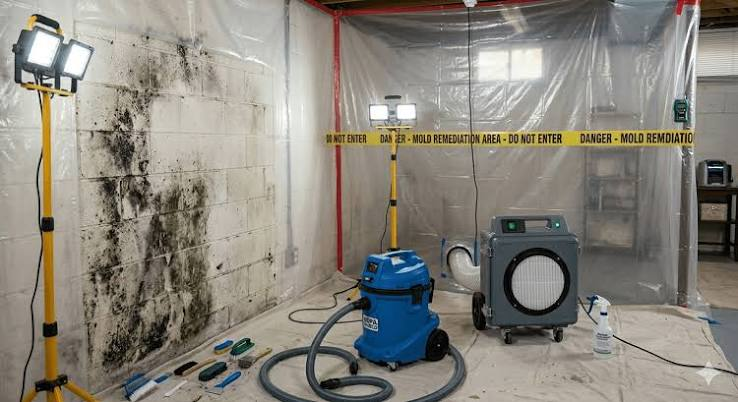
Why Your Mold Inspector Should Not Also Be the Remediator
One of the most important things homeowners should understand is the potential conflict of interest that exists when the same company performs both the mold inspection and the remediation.
If the company inspecting your home also profits from the cleanup, there is an inherent financial incentive to find larger or more expensive problems.
That does not mean every remediation company is unethical — many are excellent at what they do. However, keeping the inspection and remediation processes separate helps provide a more objective assessment of the home.
An independent mold inspector works for one purpose:
To identify and document problems accurately
To determine the source of moisture
To assess the extent of contamination
And to provide unbiased recommendations
They are not financially tied to the scope of remediation work that may follow.
This separation is common practice in many industries where impartiality matters. Similar to how a home inspector should not financially benefit from the repairs they recommend, a mold inspector should ideally remain independent from the remediation process.
An independent inspection often leads to:
More accurate assessments
Less unnecessary demolition
Better remediation planning
Clearer documentation
Greater homeowner confidence
When interviewing inspectors, ask:
“Do you also perform remediation?”
If the answer is yes, homeowners should understand the potential conflict and consider obtaining an independent second opinion before moving forward.
Red Flags to Watch For When Hiring a Mold Inspector
Because the industry is unregulated in many areas, homeowners should know what warning signs to look for.
Be cautious if an inspector:
Cannot clearly explain their certifications
Only relies on air samples
Does not inspect crawlspaces or attics
Avoids discussing moisture sources
Has limited understanding of HVAC systems
Cannot explain lab findings in plain language
Immediately pushes remediation without explanation
Also owns the remediation company performing the cleanup
A quality inspector should focus on education, investigation, and identifying root causes — not fear-based sales tactics.
Questions to Ask Before Hiring a Mold Inspector
Use this checklist when interviewing potential inspectors:
What certifications do you hold?
Look for recognized organizations like IICRC or ACAC.
How long have you been inspecting homes?
Experience matters significantly in this field.
Do you understand building science and moisture dynamics?
Mold is usually a symptom — not the root problem.
Do you inspect attics, crawlspaces, and HVAC systems?
These are some of the most common hidden problem areas.
Do you perform remediation?
Many homeowners prefer inspectors who only inspect, since this avoids conflicts of interest.
How do you determine where to sample?
Sampling should be strategic and based on the inspection findings — not random.
Will you explain the results and next steps?
A good inspector should help you understand the “why” behind the findings.
Choosing the Right Mold Inspector Can Save You Thousands
A poorly performed inspection can lead to:
Missed hidden contamination
Unnecessary remediation
Recurring moisture problems
Incomplete cleanup
Continued health complaints
Expensive repeat repairs
A thorough, properly trained inspector helps homeowners make informed decisions based on building science, environmental data, and real-world experience.
Final Thoughts
In an unregulated industry, certifications help homeowners separate true professionals from individuals with minimal training.
While no certification alone guarantees expertise, choosing an inspector with advanced education, ongoing training, and extensive field experience dramatically increases the likelihood of receiving an accurate and meaningful assessment.
At The Great Indoors Mold Pros, we believe mold inspections should go beyond basic testing. Our approach combines building science, moisture investigation, advanced inspection techniques, and years of real-world experience to help homeowners gain clarity about their environment.
Because when it comes to your home and health, experience, education, and independence matter.


Comments