
Moldy Houseplant Soil? You Don't Necessarily Have to Lose the Plant

You glance over at your favorite houseplant and notice something growing across the surface of the soil.
Is that mold?
Houseplants can absolutely become a source of fungal growth indoors. Potting soil contains organic material, microorganisms, moisture, and nutrients—all things fungi can take advantage of under the right conditions.
But finding mold in your houseplant doesn't automatically mean the plant needs to go.
With proper maintenance, moisture management, and occasionally a fresh start with new soil, many houseplants can be kept without maintaining an unnecessary source of indoor mold growth.
Why Does Mold Grow in Houseplant Soil?
The soil in a houseplant is essentially a tiny ecosystem. Fungi are naturally present in soil and play an important role in breaking down organic material.
The problem indoors occurs when conditions favor excessive fungal growth.
Common contributors include:
Overwatering
Poor drainage
Soil that stays wet for long periods
Dense or compacted potting mixes
High indoor humidity
Limited airflow around the plant
Decaying leaves or other organic debris sitting on the soil
If you're repeatedly seeing mold on the surface, simply scraping it away may not solve the underlying problem. The moisture conditions that allowed it to grow need to be addressed too.
Can I Save the Plant?
In many cases, yes!
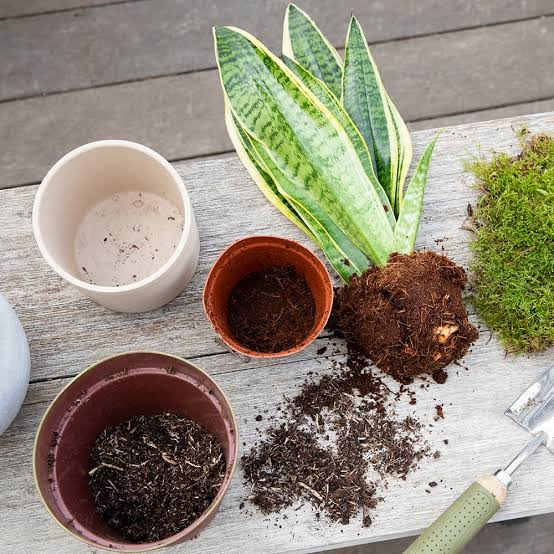
If the plant itself is healthy and you're primarily dealing with mold growth in the soil, repotting allows you to remove much of the old organic material without sacrificing the plant.
Whenever possible, we recommend doing this outside rather than disturbing moldy soil inside your living space.
Step 1: Remove the Plant
Take the plant outdoors and gently remove it from its pot.
Loosen the root ball and carefully remove as much of the old soil as you reasonably can without aggressively damaging the roots.
You don't need to make the roots perfectly clean. The goal is to remove the bulk of the old soil while preserving the healthy root system.
Step 2: Inspect the Roots
Healthy roots are generally firm rather than soft or mushy.
If you find roots that are obviously dead, mushy, or rotting, carefully trim the affected portions with clean pruning shears or scissors.
Significant root rot is a different issue than a little surface mold and may require more extensive plant-specific care.
Step 3: Clean the Pot
Don't put fresh soil directly back into a dirty pot.
Remove all of the old soil and physically scrub away visible residue and organic buildup.
If you're reusing the same pot, thoroughly wash and clean it before repotting. Make sure the drainage holes are open and functioning properly.
And remember: good drainage matters.
A decorative pot that continually allows water to collect around the root ball can recreate the exact conditions you're trying to correct.
Step 4: Repot With Fresh Soil
Use fresh, appropriate potting mix for the type of plant you're growing.
This part matters because different plants have very different moisture requirements. A tropical plant and a succulent shouldn't necessarily be living in the same type of soil.
A well-draining potting mix helps excess water move away from the root zone while still retaining the amount of moisture the plant actually needs.
Discard the old moldy soil rather than mixing it into your fresh potting mix.
Step 5: Rethink Your Watering Routine
This may be the most important step.
If the conditions don't change, the mold may simply come back.
Instead of automatically watering your plants on a rigid schedule, check the soil first.
Depending on the plant, allowing the upper portion of the soil to dry between waterings can help prevent the persistently damp surface conditions that encourage fungal growth.
Make sure excess water can drain freely, and don't allow water to continually sit in the saucer or decorative outer pot.
Don't Forget About Indoor Humidity
Sometimes the plant isn't the only problem.
If you're seeing mold repeatedly growing on houseplant soil—and especially if you're seeing similar issues on windows, exterior walls, HVAC registers, or other surfaces—it may be worth looking at the humidity level in the home.
High relative humidity slows evaporation and allows soil and other materials to remain damp longer.
Your houseplants can sometimes act as a little clue that the overall environment deserves a closer look.

Do Houseplants Improve Indoor Air Quality?
This is where we need to separate an appealing idea from what happens in a real home.
Plants are wonderful additions to indoor spaces. They bring nature indoors, can make a room more enjoyable, and may offer psychological and well-being benefits.
Plants can also interact with certain airborne compounds under controlled experimental conditions.
However, you would need a very large number of plants to compete with the pollutant removal provided by normal ventilation and mechanical air exchange in an actual building.
So we wouldn't recommend keeping plants because they're going to "purify" the air.
We recommend keeping them because plants can be a positive part of our indoor environment when they're properly maintained.
What About Mold-Sensitive Individuals?
This is where recommendations may need to become more individualized.
Someone who is highly sensitive to mold may choose to limit the number of houseplants they keep, particularly in bedrooms or other spaces where they spend significant amounts of time.
If a plant repeatedly develops visible mold despite correcting watering, drainage, soil, and humidity conditions, removing that particular plant from the indoor environment may be reasonable.
But a blanket rule that everyone concerned about mold must eliminate every houseplant isn't necessarily warranted.
Instead, focus on the conditions:
Is the soil staying wet? Is there adequate drainage? Is there visible fungal growth? Is organic debris accumulating? Is the room excessively humid?
Those questions tell us much more than simply asking whether a plant is present.
Plants Aren't the Enemy—Persistent Moisture Is
One of the most important things to understand about mold is that mold doesn't grow simply because spores exist.
Fungal spores are a normal part of our environment.
Growth occurs when those spores encounter conditions that allow them to germinate and establish themselves—most importantly, adequate moisture and a suitable food source.
Houseplant soil naturally provides plenty of organic material.
That means moisture management becomes the variable we can control.
If you discover mold in your houseplant soil, don't panic and throw away your favorite plant. Remove the contaminated soil, clean the pot, repot appropriately, improve drainage, adjust your watering habits, and keep an eye on the humidity in your home.
Your indoor environment doesn't have to be devoid of nature to be mold-conscious.
It just needs to be managed with intention.
The Great Indoors | Education Over Fear
At The Great Indoors, we believe mold education should help you make informed decisions about your home—not make you afraid of everything in it.
Understanding the conditions that allow mold to grow gives you the tools to prevent those conditions while still enjoying the things that make your house feel like home.


Comments